Proficiency Certificate
Proficiency Certificate: Essential Guide for 2026
A proficiency certificate represents an official validation of your skills or knowledge in a specific subject area, language, or professional field. These credentials have become increasingly valuable in today’s competitive global marketplace, where employers, educational institutions, and immigration authorities require concrete evidence of competency. Whether you’re pursuing career advancement, academic opportunities, or international relocation, understanding the full scope of proficiency certificates can significantly impact your success trajectory.
Understanding the Proficiency Certificate Framework
A proficiency certificate serves as formal documentation that an individual has achieved a predetermined level of competence in a particular discipline. Unlike traditional academic degrees that encompass broad educational experiences, these certificates focus on demonstrating mastery of specific skills or knowledge areas.
The certification landscape has evolved considerably over recent years. Educational institutions, professional organizations, and testing bodies worldwide now offer hundreds of different proficiency credentials. Each certificate targets distinct competencies, from language fluency and technical abilities to specialized professional knowledge.
Core Components of Valid Proficiency Certification
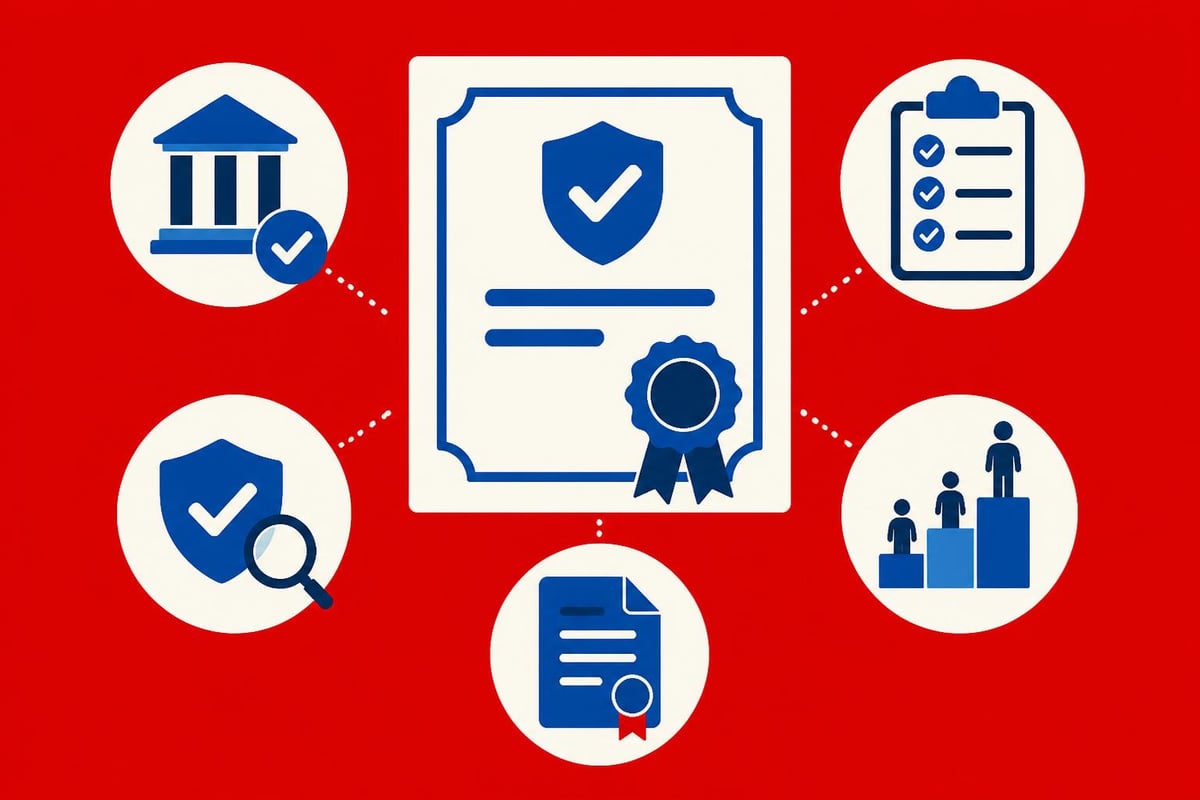
Legitimate proficiency certificates share several critical characteristics:
- Official recognition by relevant governing bodies or institutions
- Standardized assessment criteria aligned with industry or academic standards
- Verifiable documentation through official databases or registries
- Clear indication of proficiency levels or scores achieved
- Defined validity periods where applicable
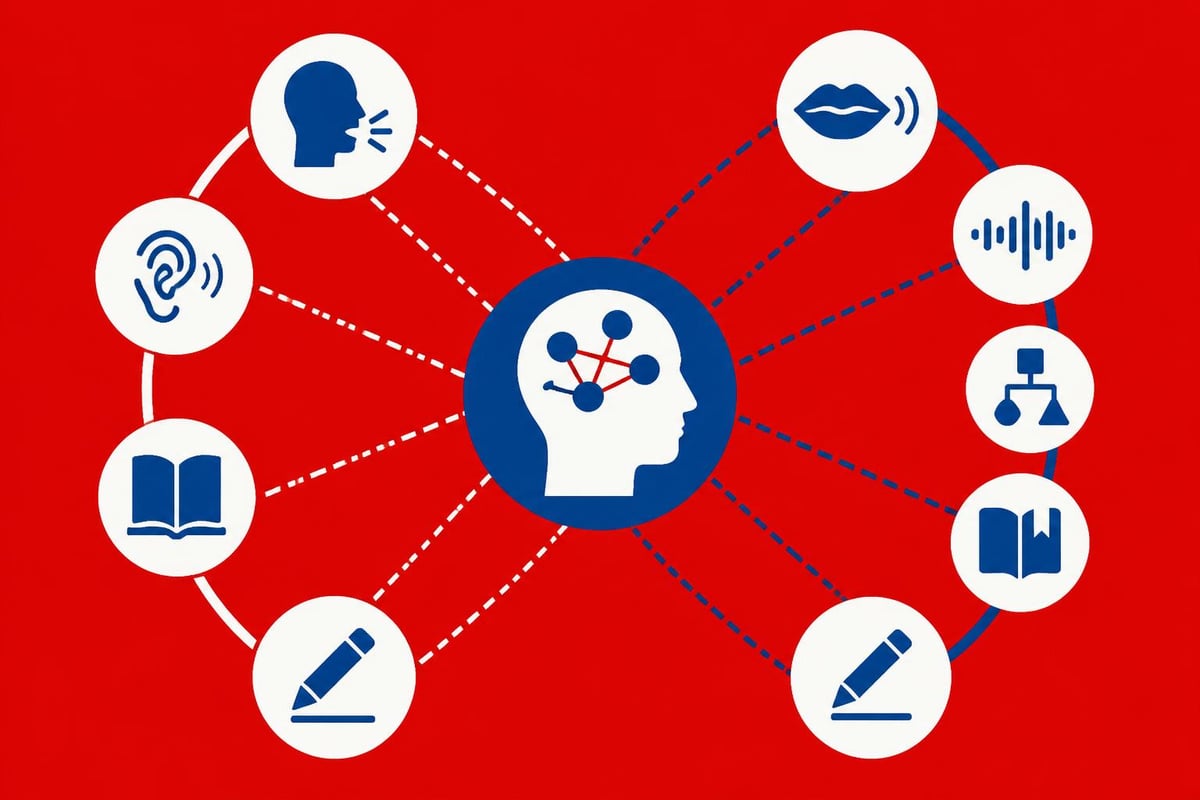
The assessment methods vary significantly depending on the certification type. Language proficiency testing often involves multiple components including reading, writing, listening, and speaking evaluations. Technical proficiency certificates might require practical demonstrations, while academic credentials typically involve examination processes.

Types of Proficiency Certificates Available
The certification ecosystem encompasses diverse credential types, each serving specific purposes within education, employment, and immigration contexts.
Language Proficiency Credentials
Language certifications represent one of the most sought-after proficiency certificate categories globally. These credentials validate an individual’s ability to communicate effectively in a non-native language, which proves essential for international students, professionals seeking overseas employment, and individuals pursuing immigration opportunities.
Popular language proficiency certificates include IELTS (International English Language Testing System), PTE (Pearson Test of English), TOEFL, and Cambridge English qualifications. The Cambridge C2 Proficiency represents the highest level of English language certification, demonstrating near-native competency.
Different institutions and countries recognize specific certifications. Immigration authorities often specify which language proficiency certificates they accept and minimum score requirements. Universities similarly maintain strict language proficiency standards for international admissions.
| Certificate Type | Primary Purpose | Typical Validity | Recognition Scope |
|---|---|---|---|
| IELTS | Immigration, Study, Work | 2 years | Global (primarily Commonwealth) |
| PTE Academic | Study, Immigration | 2 years | Global (AI-assessed) |
| TOEFL iBT | Academic | 2 years | Global (primarily US) |
| Cambridge C2 | Professional, Academic | Lifetime | Global |
Academic and Educational Proficiency Certificates
Educational institutions offer proficiency certificates that prepare students for specific career paths or advanced study. These credentials typically require fewer credit hours than associate degrees but provide focused skill development in targeted areas.
Community colleges and universities frequently offer proficiency certificates in fields like:
- Business fundamentals and management
- Healthcare support services
- Information technology and cybersecurity
- Digital media and communications
- Manufacturing and skilled trades
These certificates serve multiple purposes. They enable career changers to quickly acquire new competencies, allow current professionals to update their skill sets, and provide students with stackable credentials toward larger degree programs.
Professional and Technical Proficiency Certification
Industry-specific proficiency certificates validate expertise in specialized professional domains. Technology sectors particularly rely on these credentials, with certifications from organizations like CompTIA, Cisco, Microsoft, and AWS commanding significant market value.
Professional certifications typically require:
- Meeting eligibility prerequisites (education or experience)
- Completing approved training programs
- Passing standardized examinations
- Maintaining continuing education requirements
- Periodic recertification to ensure current knowledge
Benefits and Applications of Proficiency Certificates
The strategic value of obtaining a proficiency certificate extends across multiple dimensions of personal and professional development.
Career Advancement Opportunities
Employers increasingly use proficiency certificates as screening criteria during recruitment processes. These credentials provide objective evidence of capabilities, reducing hiring risks and streamlining candidate evaluation. For job seekers, relevant certifications often differentiate applications in competitive markets.
Salary implications can be substantial. Industry research consistently shows professionals holding recognized proficiency certificates earn higher compensation than non-certified peers with equivalent experience. The premium varies by field but typically ranges from 10-20% above baseline salaries.
Career mobility also improves significantly. Professionals possessing transferable proficiency certificates find transitioning between employers, industries, or geographic markets considerably easier than those relying solely on work history.

Educational Access and Advancement
Universities require proficiency certificates as admission prerequisites, particularly for international students. Language proficiency documentation proves especially critical, as institutions must ensure students can successfully engage with coursework delivered in the instruction language.
Beyond admissions, proficiency certificates can impact scholarship eligibility. Many funding organizations specify certification requirements, using proficiency levels to identify candidates most likely to succeed academically.
Some institutions offer proficiency notation on transcripts, providing official recognition of language skills achieved during undergraduate study. This distinction enhances graduate school applications and employment prospects in fields requiring multilingual capabilities.
Immigration and Visa Applications
Immigration systems worldwide incorporate proficiency certificate requirements into their assessment frameworks. Language proficiency particularly influences visa outcomes, with most developed nations maintaining specific score thresholds for different visa categories.
Point-based immigration systems assign values to proficiency certificates. Higher language scores translate directly into additional points, potentially making the difference between approval and rejection. Countries like Canada, Australia, and New Zealand explicitly weight language proficiency in their skilled migration programs.
For individuals seeking permanent residency or citizenship, demonstrating language proficiency through recognized certificates often represents a non-negotiable requirement. The specific proficiency certificate accepted and minimum scores vary by jurisdiction and visa category.
Obtaining and Verifying Proficiency Certificates
The process of acquiring a legitimate proficiency certificate involves several critical steps, from initial preparation through final verification.
Traditional Assessment Pathways
Standard proficiency certificate acquisition follows established protocols:
- Research requirements – Identify which certificates meet your specific goals
- Register for testing – Book examination dates through official channels
- Prepare thoroughly – Utilize approved study materials and practice resources
- Complete assessment – Attend testing sessions and demonstrate competencies
- Receive certification – Obtain official documentation with scores or levels
Preparation timelines vary significantly based on current skill levels and certification difficulty. Language proficiency certificates might require months of dedicated study, while technical certifications could demand weeks or years depending on complexity and prerequisites.
Alternative Certification Options
Understanding that traditional examination processes present challenges for many individuals, alternative pathways have emerged in the certification landscape. For those facing time constraints, test anxiety, or geographic limitations, services that provide PTE certificates offer solutions that bypass conventional testing requirements while delivering authentic, verifiable credentials.

These alternative approaches prioritize accessibility and convenience while maintaining the documentation’s validity and recognition by relevant authorities.
Verification and Authenticity
Credential verification represents a critical component of the proficiency certificate ecosystem. Institutions, employers, and government agencies routinely authenticate certificates to prevent fraud and ensure applicants possess claimed qualifications.
Modern verification systems employ multiple security features:
- Unique reference numbers linked to secure databases
- Digital certificates with encrypted validation codes
- Direct institutional verification portals
- Blockchain-based credential verification (emerging)
- Holographic security features on physical documents
Recipients should always retain both physical certificates and digital copies. Many organizations now prefer digital verification, accessing official databases directly using the certificate holder’s reference number and personal information.
Proficiency Certificate Standards and Recognition
The credibility of any proficiency certificate depends heavily on the issuing organization’s reputation and the credential’s alignment with recognized standards.
International Standardization Frameworks
Global proficiency frameworks provide common reference points for comparing certifications across different systems. The Common European Framework of Reference for Languages (CEFR) exemplifies this standardization, establishing six proficiency levels from A1 (beginner) to C2 (mastery) that language certificates worldwide reference.
Professional fields maintain similar frameworks. Information technology certifications align with competency models developed by industry consortiums. Healthcare proficiency certificates reference standards established by medical boards and professional associations.
| Proficiency Level | CEFR Designation | Typical Application | Common Certificates |
|---|---|---|---|
| Beginner | A1-A2 | Basic communication | Entry-level language courses |
| Intermediate | B1-B2 | Professional use, study | IELTS 5.0-6.5, PTE 43-58 |
| Advanced | C1 | Professional fluency | IELTS 7.0-8.0, PTE 65-79 |
| Mastery | C2 | Near-native competency | Cambridge C2, IELTS 8.5+ |
Regional and Institutional Variations
Despite standardization efforts, significant variations exist in how different regions and institutions recognize specific proficiency certificates. A credential highly valued in one country might receive limited acceptance elsewhere.
Research becomes essential. Before investing time and resources pursuing any proficiency certificate, verify its recognition by your target institutions or immigration authorities. State education departments often maintain lists of approved proficiency assessments for specific purposes.

Technology and Innovation in Proficiency Assessment
The proficiency certificate landscape continues evolving rapidly, driven by technological advancements and changing market demands.
Artificial Intelligence and Automated Scoring
Modern proficiency assessments increasingly incorporate AI-powered evaluation systems. Research demonstrates that machine learning models can reliably assess spoken language proficiency, offering consistent scoring while reducing human bias and processing times.
Automated systems provide several advantages over traditional human assessment:
- Consistent application of scoring rubrics
- Faster result turnaround (often within days rather than weeks)
- Reduced testing costs passed to candidates
- Availability of testing appointments on-demand
- Elimination of geographic testing center limitations
PTE Academic pioneered fully automated scoring, using sophisticated algorithms to evaluate speaking and writing responses. This approach has gained acceptance among universities and immigration authorities globally, validating AI assessment reliability.
Digital Credentials and Blockchain Verification
The shift toward digital proficiency certificates accelerates as institutions recognize benefits including enhanced security, easier verification, and reduced administrative overhead. Blockchain-based credentialing platforms create immutable records of certification achievement, effectively eliminating forgery possibilities.
Digital badges represent an emerging credential format, particularly for micro-credentials and specialized proficiency certificates. These portable, shareable credentials include embedded metadata describing the specific competencies demonstrated, assessment methods used, and issuing organization details.
Adaptive and Comprehensive Assessment Methods
Contemporary research explores comprehensive proficiency evaluation methods that assess multiple competency dimensions simultaneously. These multi-modal assessments provide richer proficiency portraits than traditional single-skill evaluations.
Adaptive testing technologies adjust question difficulty based on examinee responses, delivering more precise proficiency measurements while reducing testing time. This approach has become standard practice for computer-based proficiency certificates, improving candidate experiences and assessment accuracy.
Preparing for Proficiency Certificate Success
Strategic preparation significantly influences proficiency certificate outcomes, regardless of the specific credential pursued.
Effective Study Strategies
Successful candidates typically employ structured preparation approaches:
- Establish baseline competency through diagnostic assessments
- Create realistic study schedules accommodating existing commitments
- Utilize official practice materials aligned with actual test formats
- Focus preparation on weak areas while maintaining strengths
- Simulate testing conditions during practice sessions
- Join study groups or engage tutors for accountability and support
Time investment requirements vary dramatically across proficiency certificate types. Language certificates might demand 100-300 hours of focused study depending on starting proficiency and target scores. Technical certifications could require anywhere from 40 hours to several years based on complexity and prior knowledge.
Common Preparation Pitfalls
Many candidates undermine their proficiency certificate success through avoidable mistakes. Underestimating preparation requirements ranks among the most frequent errors, with individuals scheduling examinations before achieving necessary competency levels.
Other common pitfalls include:
- Focusing exclusively on content knowledge while neglecting test-taking strategies
- Using outdated or unofficial preparation materials
- Neglecting physical and mental health during intensive preparation periods
- Failing to familiarize themselves with testing procedures and requirements
- Allowing test anxiety to compromise performance despite adequate preparation
Maintaining Certification Currency
Many proficiency certificates include validity periods or require periodic renewal. Language proficiency certificates typically remain valid for two years, reflecting the reality that language skills can deteriorate without regular use. Professional certifications often mandate continuing education credits to ensure practitioners maintain current knowledge.
Planning for recertification should begin immediately after initial certification. Understanding renewal requirements, timelines, and associated costs enables strategic planning and prevents credential lapses that could impact employment or immigration status.
Proficiency certificates continue serving as essential validation tools across educational, professional, and immigration contexts, with their importance only increasing as global mobility and competition intensify. Whether you pursue traditional examination pathways or need alternative solutions, obtaining legitimate, verifiable credentials remains paramount to achieving your objectives. AU Certification Unit specializes in providing authentic, registered proficiency certificates that meet institutional and governmental requirements, offering a secure and efficient pathway to certification success when traditional testing presents obstacles.